
Month: August 2026
FYBECA OPENS THE FIRST PHARMACY INSIDE AN INTERNATIONAL DEPARTURE HALL IN ECUADOR

The new Fybeca Isla Aeropuerto is located in departure lounge A13 at Mariscal Sucre International Airport, across from Starbucks.
The space occupies 15 square meters and offers over 740 products selected to meet travelers’ needs.
The pharmacy will operate 24 hours a day, offering medications, personal care items, functional beverages, and travel essentials.
A headache before boarding, an unexpected stomach upset, or that personal care product you forgot at home. Unexpected events can travel, and once passengers have cleared airport security, returning home is no longer an option. To address these last-minute needs, Fybeca has opened the first pharmacy located inside an international departure lounge in Ecuador.
Fybeca Isla Aeropuerto will operate 24 hours a day in departure lounge A13 at Mariscal Sucre International Airport, across from Starbucks. The store occupies 15 square meters, making it the smallest pharmacy in the chain, but it offers a portfolio of more than 740 products tailored to the airport environment.
The selection includes medications for flu, pain and stomach ailments, supplements, beauty and personal care items, functional and isotonic drinks, healthy snacks, and natural relaxation alternatives. The format aims to provide a quick response to international passengers without them having to leave the departure lounge.
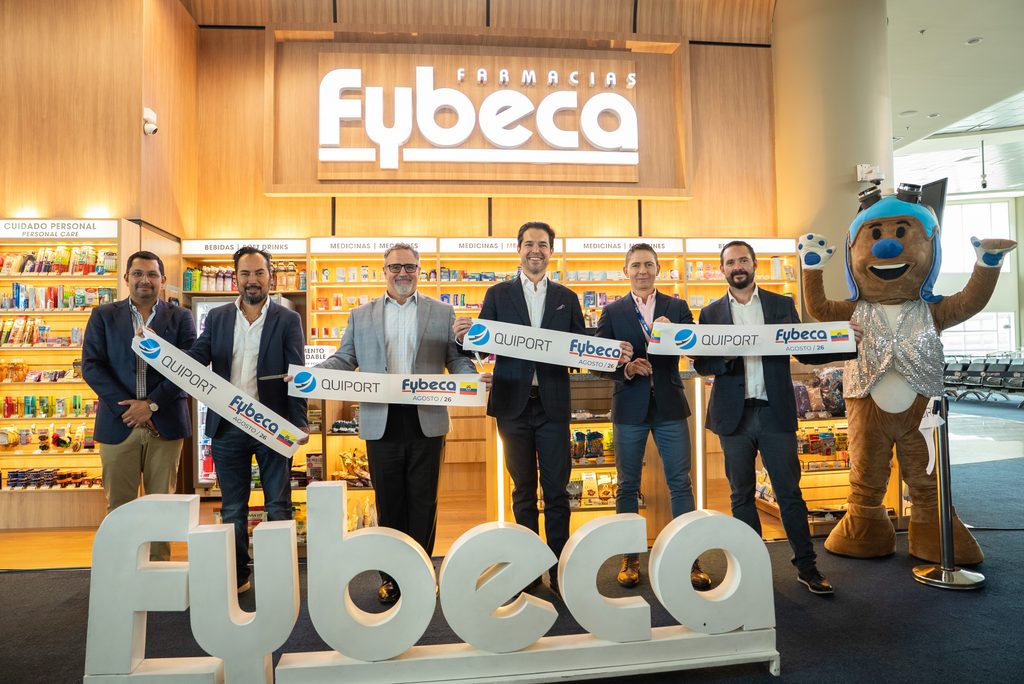
“This opening reflects our strategy of always being first and best, under an umbrella of innovation and the development of formats adapted to new consumption habits. Fybeca Isla Aeropuerto will allow us to closely understand the needs of travelers, evaluate the model’s performance, and analyze its expansion to other airports in the country,” stated Arturo Martínez, CEO of FEMSA Salud Ecuador.
The idea for this space originated in late 2014 and progressed through a joint effort between FEMSA Salud Ecuador and Corporación Quiport. Its development required adapting the design, technology, schedules, and product portfolio to the conditions of an airport terminal. Much of the infrastructure arrived prefabricated to facilitate its installation within the airport, meeting the highest quality standards.
“We are delighted to have the new Fybeca pharmacy in the international pre-boarding area of Quito Airport, as it represents a significant improvement to our passengers’ experience. Its presence allows for convenient and timely access to medications, personal care products, and essential items before traveling, strengthening the airport’s commercial and service offerings. This new option responds to the needs of our passengers and consolidates the airport as a modern, practical space focused on providing a comprehensive experience. Thank you to everyone at Fybeca for being such great partners of Quiport and Mariscal Sucre Airport,” said Ramón Miró, President and CEO of Quiport.
The design combines Fybeca’s visual identity with colors and materials that complement the airport’s aesthetic. The island also features Ecuadorian products under the slogan “Take a piece of Ecuador home with you,” aiming to increase its visibility among passengers.
This opening represents the first step in a model that could be implemented in other waiting areas and cities. The concept combines pharmacy, personal care, and essential travel products in a service point designed to address immediate needs.
Quito Hosted the ACI-LAC Operational Safety Committee Annual Meeting and its First Airport Safety Workshop
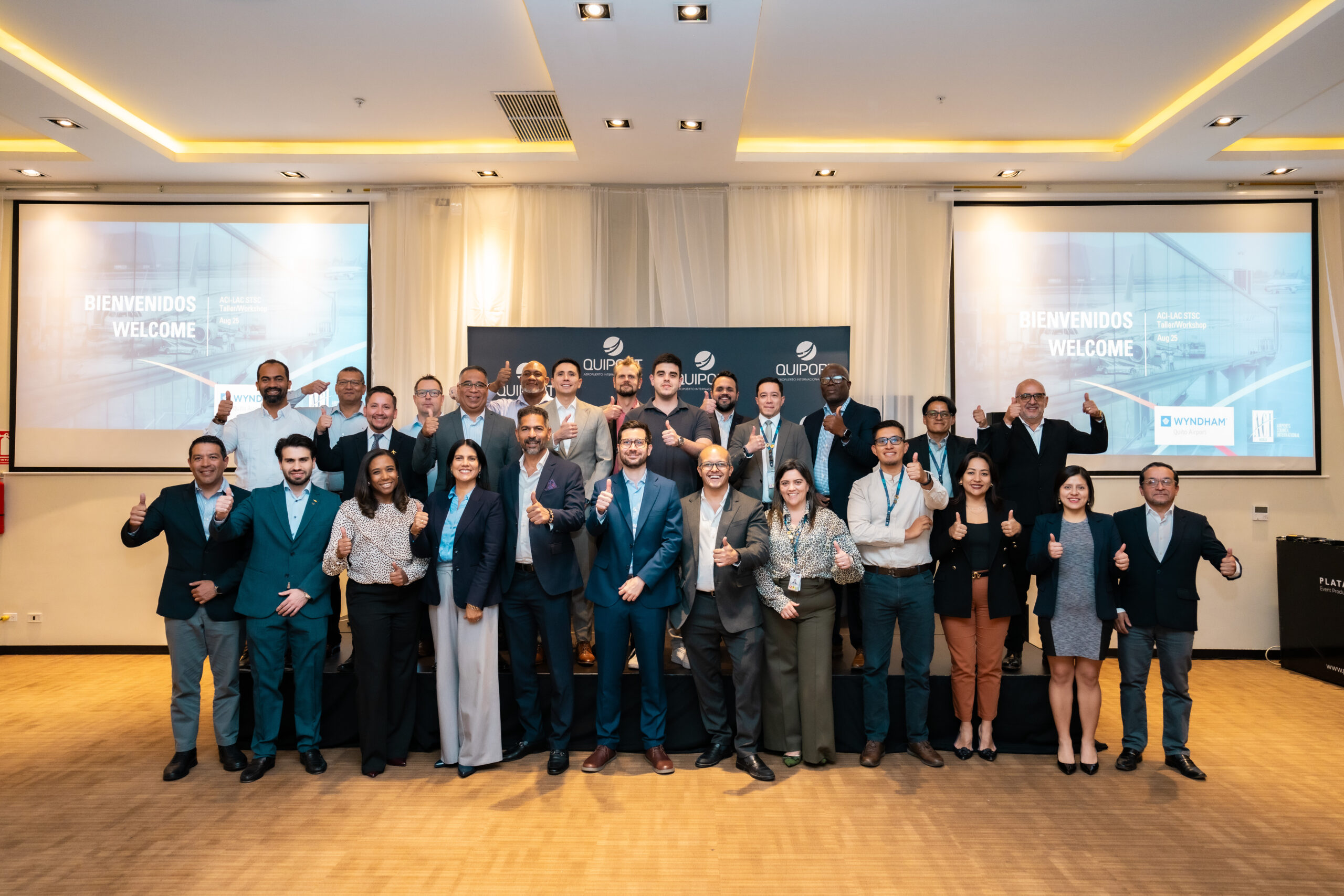
From August 25 to 27, Quito’s Mariscal Sucre International Airport hosted the 2026 ACI-LAC Operational Safety Committee Annual Meeting, a technical exchange forum that brought together specialists and representatives from the airport sector to share knowledge, experiences, and best practices in operational safety.
This edition was attended by 28 representatives from 11 countries, linked to more than 50 airports in the region. Leading the event was David Almeida, Quiport’s Operational Safety Manager and President of the ACI-LAC Operational Safety Committee. The presence of specialists from different countries and airports enriched the exchange of experiences and best practices regarding the main challenges of operational safety.
The agenda also included the first Airport Safety Workshop organized by the Committee, an initiative driven by its own members to broaden the exchange of knowledge and experiences on the main operational safety challenges facing the airport industry.
“Operational safety knows no borders or individual airports; it is a collective responsibility that requires cooperation, knowledge, and a culture of continuous improvement,” said Ramón Miró, President and CEO of Corporación Quiport, during his welcoming remarks to the participants.
Throughout the sessions, topics such as the evolution of Safety Management Systems (SMS) towards data-driven management, safety during construction work, runway risk management, and incursion prevention were addressed.
The event agenda also included aircraft recovery preparedness, the analysis of anti-drone solutions for airports, and the review of new guidelines and deliverables from the Operational Safety Committee.
The ACI-LAC Operational Safety Committee holds this meeting annually, and as part of this new phase of technical exchange, future editions of the workshop are planned to take place at different member airports, strengthening the direct exchange of experiences and best practices among its members.
Hosting the 2026 ACI-LAC Operational Safety Committee Annual Meeting and the first edition of its Airport Safety Workshop strengthens Quito Airport’s participation in international technical cooperation forums and contributes to the development of joint solutions to current and future operational safety challenges.
Ramón Miró Recognized Among the TOP 100 CEOs + STAFF 2026
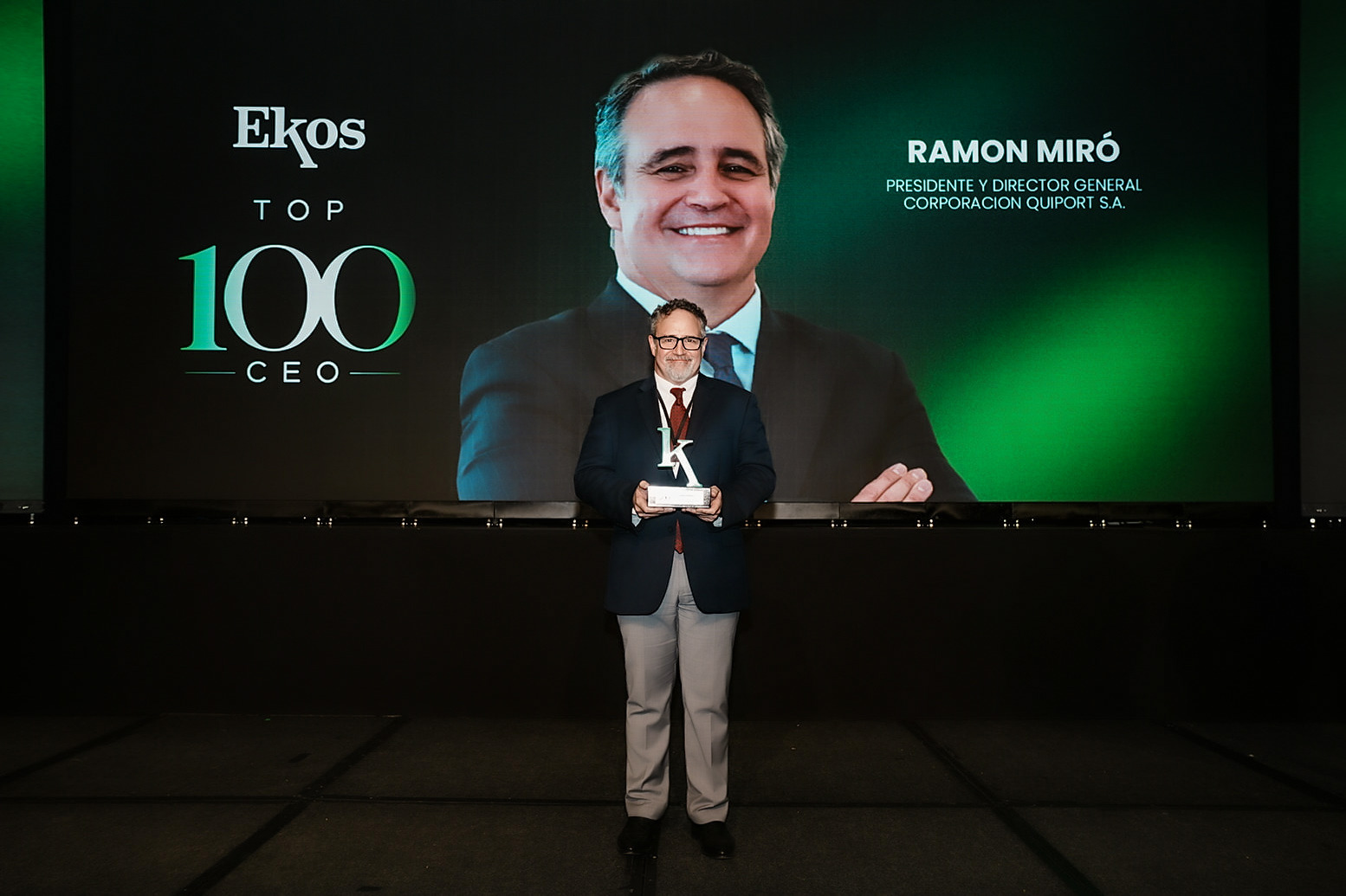
Ramón Miró, president and CEO of Corporación Quiport, has been honored with the TOP 100 CEOs + STAFF 2026 Recognition from Grupo Ekos, which highlights business leaders whose management is linked to the sustained performance of their organizations.
The recognition was presented during Guayaquil Business & Sustainable 2026, an event held on August 27 in Guayaquil that brought together leaders and senior executives to discuss the trends shaping competitiveness, innovation, and business sustainability in Ecuador.
Unlike recognitions based solely on individual assessment, the selection of the TOP 100 CEOs + STAFF is based on an analysis of business results. The methodology developed by Ekos Research considers official financial information from the 2022–2024 period and evaluates four dimensions: business growth, size, profitability, and tax contribution.
In this context, the award given to Ramón Miró recognizes a management style that is reflected in the performance of Corporación Quiport and is built on the ongoing contributions of the people who make up the organization.
“This recognition reflects much more than individual achievements. Quiport’s results are a consequence of the work of a committed team, consistent decisions, and a long-term vision for Quito’s airport. Receiving this award is also an opportunity to recognize those who make our operations possible every day,” said Ramón Miró.
Quiport Among the Top 100 Organizations in Ecuador for its Contribution to the SDGs
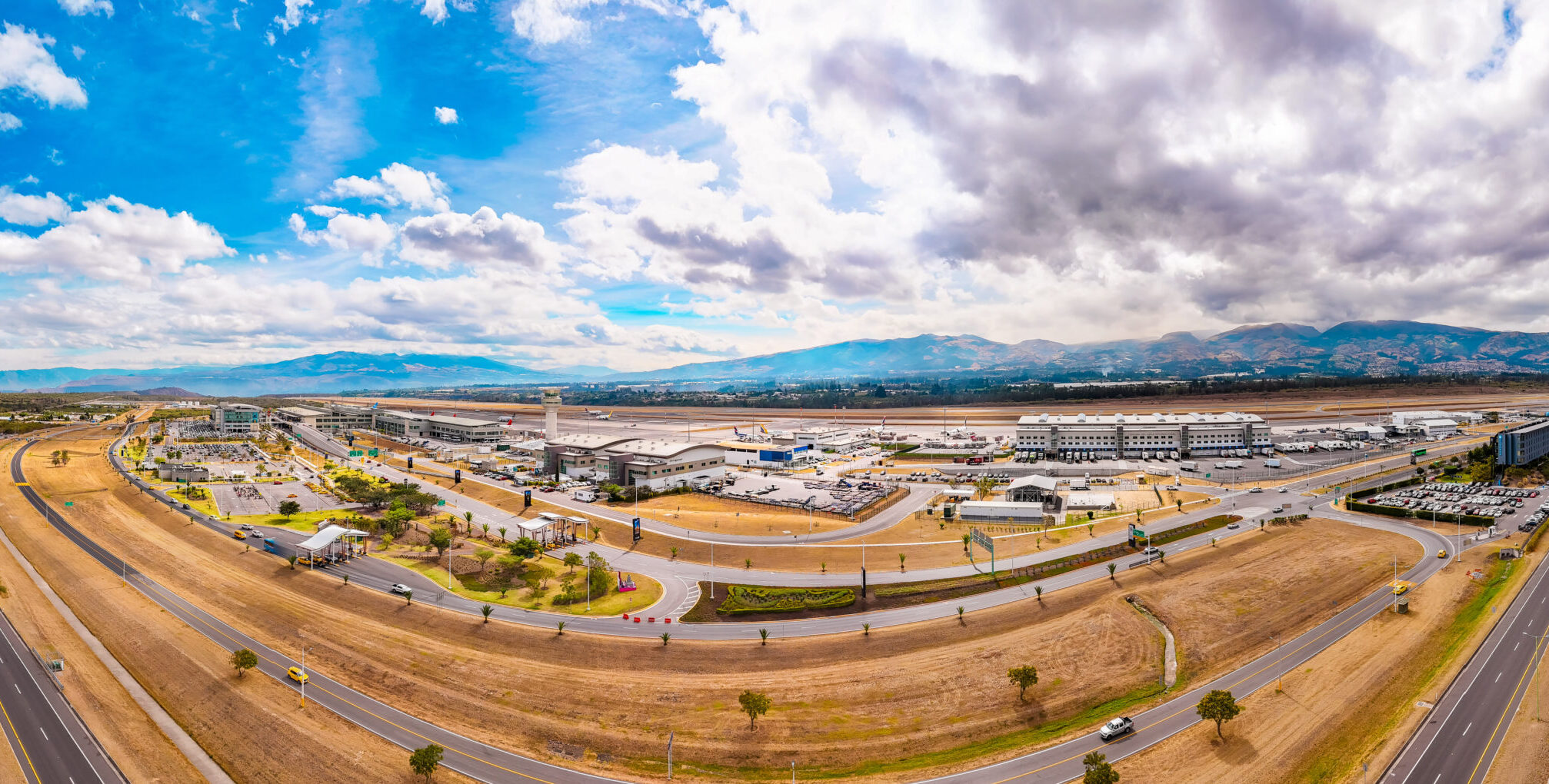
Airport management is also measured by what happens beyond its runways and terminals. The way it manages its resources, interacts with communities, manages its environmental impacts, and makes long-term decisions is part of an operation increasingly linked to the challenges of sustainable development.
From this perspective, Corporación Quiport was included among the 100 organizations that contribute most to sustainable development in Ecuador, an award presented during the third edition of the SDG Leaders Summit 2026, organized by Vistazo magazine.
The meeting, held on August 19 at the Hilton Colón Hotel in Guayaquil, brought together representatives from the business, trade, and scientific sectors, as well as specialists and stakeholders from different fields, to analyze Ecuador’s progress in achieving the Sustainable Development Goals (SDGs) and the actions that require greater attention leading up to 2030.
The selection of the 100 recognized organizations was based on a methodology developed by YPSILOM, a consulting firm specializing in sustainability, which allowed for the analysis of business contributions to the various areas related to the SDGs.
“Sustainability only makes sense when it ceases to be a concept separate from operations and becomes part of the decisions made every day. At an airport, every improvement in resource use, in our relationship with communities, or in how we manage our impacts can generate results that transcend the infrastructure itself,” said Ramón Miró, president and CEO of Corporación Quiport.
During the SDG Leaders Summit, challenges related to biodiversity, climate change, education, and social development were also addressed, as well as the role the private sector can play in accelerating the remaining progress of the 2030 Agenda.
This recognition comes at a time when the debate is no longer solely about which companies talk about sustainability, but rather which can demonstrate how they integrate it into their operations. For Quiport, that difference is built into the daily decisions that shape the airport’s management.