
Month: September 2026
Quito Airport expands connectivity options with the return of Air Canada
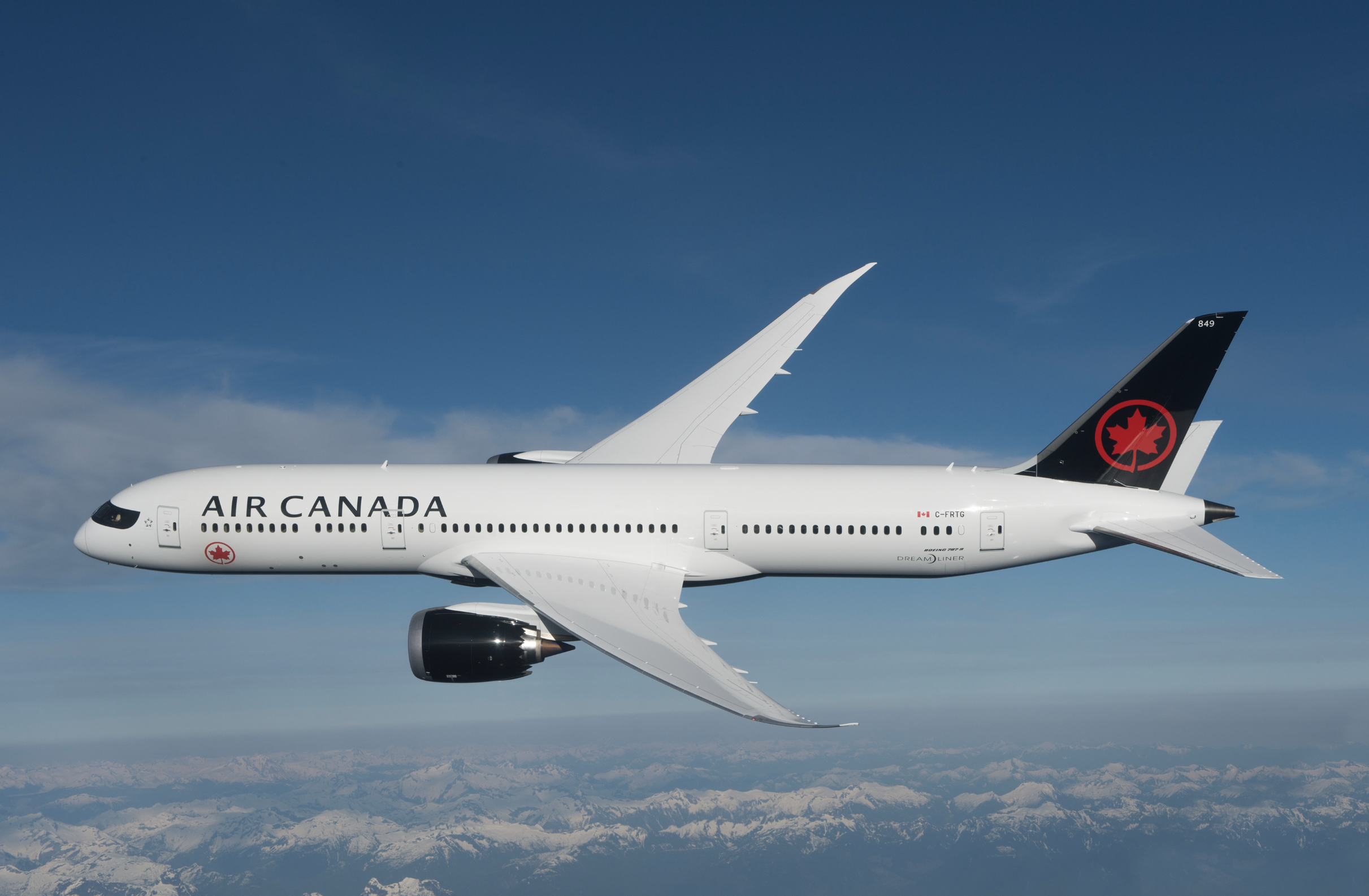
Starting in December, passengers will be able to fly directly from Quito to Montreal and Toronto, with options to continue to other destinations in North America and Europe via the airline’s network.
Quito’s Mariscal Sucre International Airport is expanding its international flight offerings with the return of Air Canada, which will resume operations in December with direct flights to Montreal and Toronto.
Service will begin on December 4 with the Montreal–Quito route and on December 5 with the Toronto–Quito route. Air Canada will offer four weekly flights: three between Montreal and Quito and one between Toronto and Quito. Initially, the flights will be seasonal and will operate through March 2027.
The Montreal–Quito route will operate three times a week. Flights will arrive in Quito on Mondays, Thursdays, and Saturdays at 01:05 and depart for Montreal on Mondays, Thursdays, and Saturdays at 09:30, using Boeing 788 aircraft with a 255-seat capacity.
The Toronto–Quito route will operate once a week. The flight will arrive in Quito on Sundays at 00:10 and depart for Toronto on Sundays at 09:00, using Boeing 789 aircraft with a 298-seat capacity.

More travel options from Quito
Air Canada’s return introduces Montreal as a new direct destination from Quito and restores the non-stop connection to Toronto. In addition to facilitating travel between Ecuador and Canada, both cities serve as Air Canada hubs, allowing passengers to connect to other destinations across North America and Europe.
This service provides new options for travelers departing Ecuador—whether for tourism, business, or visiting family and friends—as well as for international passengers looking to reach the country via Air Canada’s network. Alfredo Babún, Air Canada’s General Manager for the Andean region, stated: “The resumption of our direct flights between Quito and Montreal and between Quito and Toronto comes at a particularly significant moment for relations between Ecuador and Canada. The recent signing of the Free Trade Agreement opens up new prospects for trade and investment between the two countries, and we believe that robust air connectivity is essential to supporting that process. For Air Canada, returning to Ecuador means much more than just restarting two routes: it means once again becoming an active part of a bilateral relationship that holds new opportunities for growth and exchange.”
Meanwhile, Ramón Miró, President and CEO of Corporación Quiport, highlighted the importance of restoring direct flights between Quito and Canada and expanding the options available to passengers.
“Air Canada’s return expands travel options between Ecuador and Canada and allows us to offer our passengers direct flights to two major destinations: Montreal and Toronto. These routes bring the two countries closer together, facilitate travel for tourism, business, and visits to family and friends, and also open up new possibilities for onward travel to other international destinations. We congratulate Air Canada and appreciate their confidence in Quito; we will continue working together to offer more travel options from one of Ecuador’s main gateways,” Miró noted.
Corporación Quiport works continuously with airlines to add new destinations and flight frequencies, offering a wider range of travel options to and from Quito.
Flights between Quito, Montreal, and Toronto are now available for purchase through Air Canada’s official channels.

UNITED AIRLINES INSPIRES YOUNG WOMEN IN QUITO TO PURSUE AVIATION CAREERS AT THE ANNUAL “GIRLS IN AVIATION DAY” EVENT HELD AT QUITO’S MARISCAL SUCRE INTERNATIONAL AIRPORT
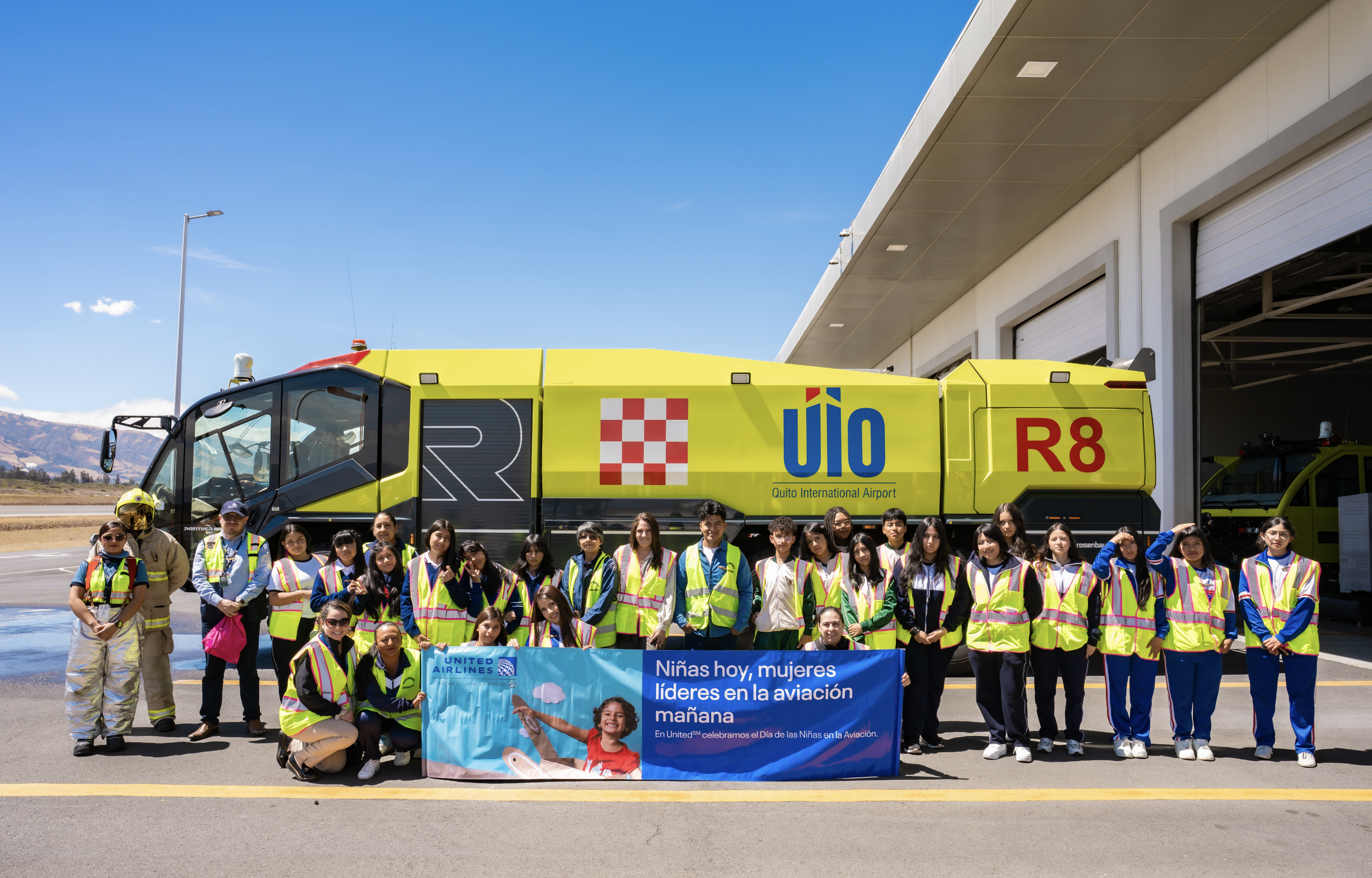
On September 17, United welcomed 20 young women (aged 13 to 18) from the local Quito community to its annual “Girls in Aviation Day” event, held at Quito’s Mariscal Sucre International Airport (UIO).
In collaboration with Corporación Quiport—the operator of the Quito airport—the event allowed participants to gain firsthand insight into aviation careers through interactive sessions with United leaders and employees. Activities covered areas such as the airport control tower, aircraft rescue and firefighting services, immigration, catering services, check-in counters, boarding gates, environmental management facilities, the VIP lounge, and various commercial operations. The event is part of United’s ongoing efforts to introduce young women to the many career paths available in aviation and to inspire the next generation of female professionals in the industry.

“Hosting Girls in Aviation Day in Quito for the fourth consecutive year is a source of great pride for United Airlines. Each year, we have the opportunity to connect with young women in our community and show them that aviation offers a world of possibilities, both in the air and on the ground. We are especially grateful for the continued support of Quiport, a key partner that has shared our vision since the inception of this initiative in Quito. We hope this experience inspires them to dream big and consider careers they might never have imagined before,” said Bettina Carvajal, United’s National Sales Manager.

“For Quiport, supporting Girls in Aviation Day is an opportunity to introduce girls and young women in our community to a world full of possibilities. We want these young women not to anchor their dreams but to discover that aviation can be a path for them, too—and that there are numerous professions and opportunities to develop their talents in this exciting field. Initiatives like this one, driven in partnership with United Airlines, allow us to inspire new generations of women and help build an aviation sector that is increasingly diverse, inclusive, and ready for the future,” stated Ramón Miró, President and CEO of Quiport.

QUIPORT, THE HIGHEST-RANKED ECUADORIAN COMPANY IN THE GREAT PLACE TO WORK® LATIN AMERICA 2026 LIST
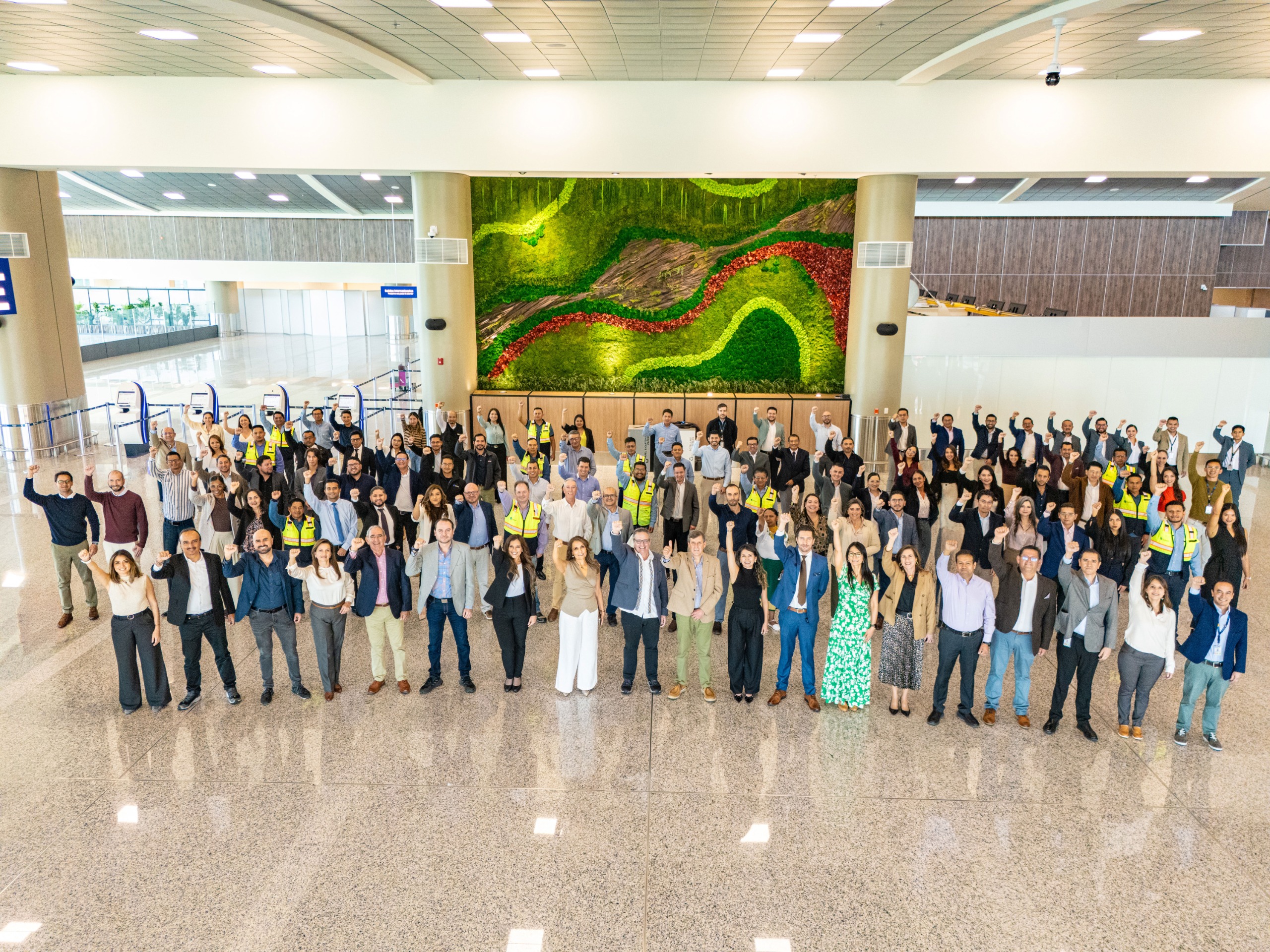
Corporación Quiport secured 17th place among the Best Places to Work™ in Latin America 2026 in the Small and Medium-sized Enterprises category, establishing itself as the highest-ranked Ecuadorian company in its category on the Great Place To Work® regional list.
This result also represents significant progress for the company, which climbed 55 spots compared to the previous edition. This evolution reflects the sustained effort Quiport has made to strengthen an organizational culture based on trust, respect, collaboration, and development opportunities for its employees.
“This recognition belongs to everyone who makes up Quiport. It fills us with pride because it reflects how we work, how we look after one another, and how we live out our purpose: ‘We do it right because we value life.’ Reaching this position motivates us to continue building—together—a place where people can grow, contribute, and feel part of something important,” said Ramón Miró, President and CEO of Corporación Quiport.
For the company, the employee experience is a fundamental element of its management. Having committed teams aligned with a common purpose contributes to an efficient operation and helps deliver a better experience for passengers, users, and the airport community.
The Great Place To Work® ranking is based on a study of workplace programs and the collection of direct feedback from employees across thousands of organizations throughout Latin America.
The 17th-place ranking achieved in 2026 and the 55-spot climb compared to 2025 provide Quiport with fresh momentum to keep strengthening an environment where people feel valued, find opportunities for development, and can contribute to the organization’s growth. Recognition built upon the experience and commitment of the people who make Quiport what it is every day.
Quiport Shared Its Water Management Best Practices at the Waterkeeper Alliance Global Conference

Gabriela Landázuri, Environment, Health, and Safety Manager at Corporación Quiport, participated in the Waterkeeper Alliance 2026 Global Conference in Ecuador, held in Quito. There, she presented Quiport’s experience and best practices regarding responsible water management at the Quito airport.
During the session titled “Water Responsibility Models: Quito Airport by Quiport”—part of the international gathering’s agenda—Gabriela explained the “Beyond Water” approach. This strategy integrates consumption efficiency, water footprint replenishment, wastewater treatment, water reuse, environmental monitoring, water source conservation, and climate adaptation.
Reflecting on her participation in the conference, Gabriela Landázuri stated: “Being invited to share our experience at a global gathering like this is a recognition of the work Quiport has carried out over the years. We are proud that the management of the Quito airport can serve as a benchmark for best practices while allowing us to learn from organizations dedicated to protecting the environment and ecosystems across the globe.”
The conference was organized by the Waterkeeper Alliance, an international network dedicated to protecting rivers, lakes, and other water sources. The event brings together representatives from Waterkeeper organizations worldwide to exchange knowledge, experiences, and solutions for water protection. Quito hosted the 2026 global conference, with Guayllabamba Waterkeeper serving as the local host organization. The agenda also covered topics such as environmental education, the rights of nature, water source protection, citizen science, governance and river regeneration, pollution monitoring, and community engagement.
Quiport’s participation provided an opportunity to share how water management at the airport has evolved into a holistic vision that links airport operations with ecosystem conservation and water security.
Quito Airport among top 12 worldwide with highest passenger experience accreditation

- Mariscal Sucre has renewed its Level 5 Passenger Experience Accreditation from Airports Council International (ACI) for the third time. Only 12 airports globally—and two in the Americas—currently hold this level.
Quito’s Mariscal Sucre International Airport has renewed its Level 5 status under the Airports Council International (ACI) Passenger Experience Accreditation Program for the third time. This represents the highest tier of the international program, which specializes in evaluating how airports manage the passenger experience.
With this renewal, Quito Airport remains part of an elite group of just 12 airports worldwide holding Level 5 accreditation. In the Americas, only two airports have achieved this status.
The accreditation evaluates far more than just traveler satisfaction. ACI analyzes whether the passenger experience is integrated into the airport’s strategy and operations, how data is used for decision-making, innovation capabilities, service culture, and the coordination among the various organizations involved in the passenger journey.
In this model, the employee experience is closely linked to the passenger experience. Quiport also focuses on understanding and managing the experience of its teams, operating on the premise that committed employees and a service-oriented internal culture are essential to delivering a superior experience to airport users.
“This third renewal confirms that the passenger experience is not an isolated initiative, but a permanent way of managing the airport. The work begins internally—with committed employees and a service-oriented culture—and extends outward to our passengers. It is also the result of coordination among all members of the airport community,” stated Ramón Miró, President and CEO of Corporación Quiport.
What does achieving Level 5 mean? ACI’s Airport Customer Experience Accreditation program is the first and only global accreditation specifically focused on evaluating customer experience management at airports.
To achieve the highest level, an airport must demonstrate that the passenger experience is integrated across its organizational strategy and culture, and that a permanent system is in place to listen to passengers, measure results, identify opportunities, and transform that information into concrete improvements.
The assessment covers, among other aspects, passenger insights, experience strategy, measurement systems, operational improvement, governance, organizational culture, innovation, and collaboration with the airport community.
In the case of Quito Airport, ACI also noted the presence of clearly defined leadership and responsibilities, the use of quantitative and qualitative data to understand diverse passenger profiles, and the active participation of companies and entities involved in the airport experience.
Listening to passengers to improve their experience
Quiport uses various tools to understand travelers’ perceptions, expectations, and needs. The information gathered helps guide decisions regarding processes, infrastructure, services, accessibility, communication, and customer care.
This model also includes staff training and coordination with airlines, authorities, concessionaires, and other members of the airport community, aiming to provide a consistent experience during departure, arrival, and connection processes.
The third consecutive renewal of Level 5 demonstrates the continuity of this management model and Quito Airport’s commitment to the ongoing evolution of its service standards.