
Category: Sin categorizar
Quito Airport receives recognition for its contribution to the city’s connectivity and tourism development

Mariscal Sucre International Airport received an award from the Municipality of Quito—through the Quito Tourism Board—for its contribution to the capital’s tourism development. The honor was presented during a ceremony held on October 7 in Puembo, as part of the World Tourism Day commemorations.
The airport was recognized in the “Investment, Connectivity, and Tourism Destination Management” category, which acknowledges the contributions of various stakeholders toward strengthening infrastructure, connectivity, mobility, and Quito’s development as a tourism destination. This award also highlights the collaborative work between Corporación Quiport and the Metropolitan Public Company for Airport Services (EPMSA); both entities, within their respective areas of responsibility, contribute to the development and enhancement of the capital’s airport services.
As the primary international air gateway to the Ecuadorian capital, Quito Airport plays a pivotal role in connecting the city to the world, facilitating visitor arrivals and helping to drive economic activity linked to tourism, trade, and services.

Ramón Miró, President and CEO of Corporación Quiport, emphasized the importance of air connectivity and coordinated effort for the city’s tourism development: “This recognition motivates us to continue driving airport management practices that contribute to the development of both Quito and the country. Over the years, we have worked to transform Mariscal Sucre Airport into a regional and global benchmark. Air connectivity is fundamental to tourism growth and the creation of opportunities for Quito. Therefore, we will continue to work in coordination with authorities, airlines, and various sector stakeholders to strengthen our city’s connection to the world.”
New dining options expand the range of choices at Quito Airport
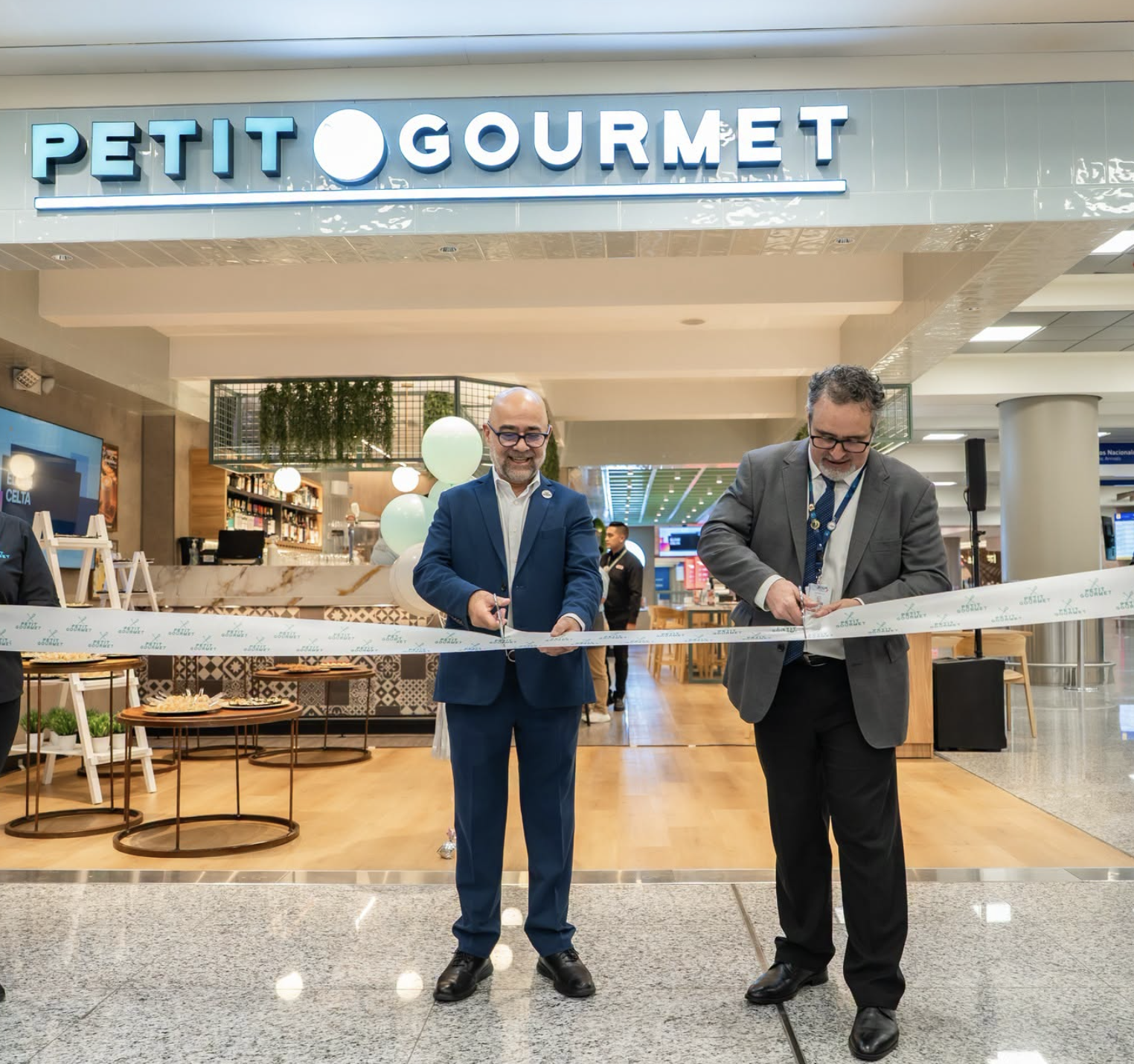
Mariscal Sucre International Airport continues to expand its service offerings to provide more options for passengers and visitors. Petit Gourmet and De Volada To Go have opened locations featuring concepts designed to suit various needs and moments during a traveler’s time at the airport.
Located in the international arrivals public area, Petit Gourmet offers a café, bakery, and dining experience featuring breakfasts, sandwiches, salads, beverages, and a selection of baked goods and pastries. Its concept combines variety and convenience within a contemporary, welcoming atmosphere—ideal for both those arriving in Quito and those waiting for family or friends.
Meanwhile, De Volada To Go—situated in the Delta domestic boarding area—is designed specifically for passengers seeking a convenient option before boarding. Its menu features grab-and-go food and drinks, ranging from sandwiches and fresh salads to snacks and beverages, all served with the kind of efficient service that suits the pace of travel.

The arrival of Petit Gourmet and De Volada To Go adds new choices for dining, grabbing a coffee, or picking up a bite before continuing a journey. These two distinct concepts, located at key points within the airport, expand the range of options available to passengers and visitors alike.

Quito Airport’s artificial intelligence platform receives top honor at the 2026 Green Airport Recognition awards
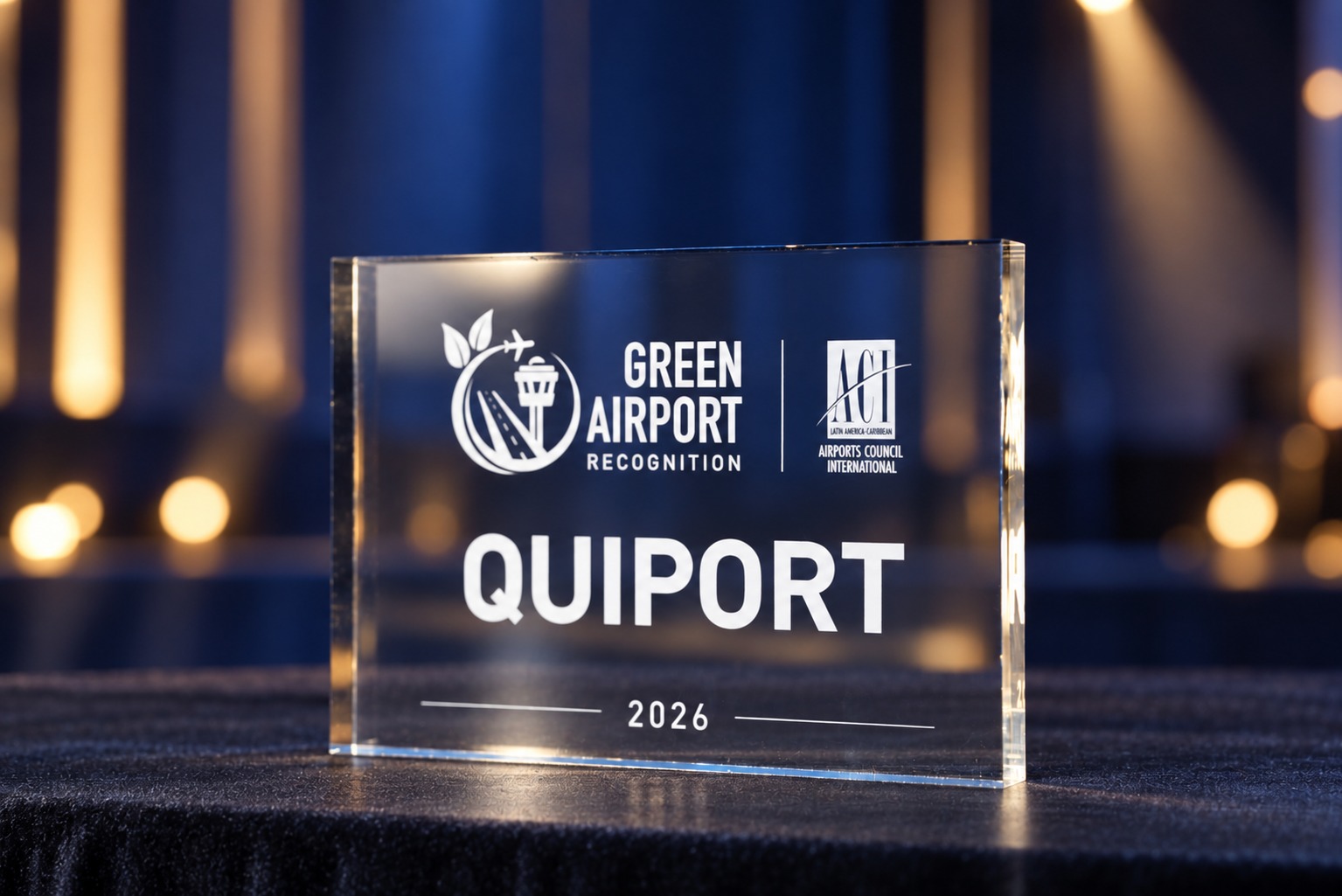
ATHENE AI was one of 19 projects submitted by various airports and recognized by ACI-LAC; it received the special distinction awarded to the most outstanding initiative of the 2026 edition.
The platform, developed by Quiport, integrates data on emissions, energy, climate, nature, and risks at Quito Airport—along with meteorological data and external sources—to analyze trends, compare scenarios, and strengthen environmental decision-making.
ATHENE AI features an artificial intelligence assistant that analyzes environmental data, answers inquiries, and provides information to support decision-making.
Corporación Quiport secured the top honor at the 2026 Green Airport Recognition awards, presented by Airports Council International – Latin America and the Caribbean (ACI-LAC), thanks to ATHENE AI. This environmental intelligence platform was developed to organize, integrate, and analyze key information regarding the environmental management of Mariscal Sucre International Airport.
Nineteen projects developed by airports in the region were recognized in this edition. Among them, ATHENE AI was singled out with the special distinction for the most outstanding project of 2026, standing out among the initiatives acknowledged by ACI-LAC.

What problem does ATHENE AI aim to solve?
Airport environmental management generates a vast amount of information: greenhouse gas emissions, energy consumption, offsets, renewable energy certificates, biodiversity, water usage, weather conditions, risks, and technical documentation.
The growth and importance of this data created a need for a tool capable of consolidating it and transforming it into information that is easier to consult, cross-reference, and analyze. ATHENE AI was created to meet this need, allowing information that previously had to be reviewed independently to be analyzed in an integrated manner.
What does ATHENE AI do?
The platform centralizes the airport’s databases, indicators, and technical documents. Its first module integrates greenhouse gas inventories, energy consumption, offsets, renewable energy certificates, and metrics linked to the Airport Carbon Accreditation (ACA) program.
In this module, ATHENE AI consolidates 244 historical ACERT inventory records covering the 2017–2025 period, enabling the analysis of emissions by scope and source, intensity per passenger, historical trends, and potential reduction scenarios prior to implementing new initiatives.
A key component of the platform is ASK ATHENE, an AI assistant that allows users to query databases, indicators, and technical documents using natural language—much like interacting with AI tools such as ChatGPT, Gemini, or Copilot.
The assistant can cross-reference information across modules, identify trends, and generate analyses, dashboards, and executive reports tailored to specific queries, thereby reducing the time spent searching for and consolidating information. Its role is to provide enhanced analytical insights without replacing the human judgment required to interpret the evidence and make final decisions.
Combining internal information and external data on a single platform
ATHENE AI does not rely solely on Quiport’s internal information; the platform can integrate data from external sources as well as data generated by its own weather stations.
This integration deepens understanding of the airport environment and allows the platform’s scope to expand beyond sustainability into areas such as resilience and risk anticipation.
The platform also supports the integration of Davis WeatherLink stations to monitor local weather conditions and capture data—such as UV radiation, precipitation, and other variables—relevant to understanding the airport environment.
What can be done with all this information?
ATHENE AI enables the utilization of data collected across various areas of the airport’s environmental and operational management. Its main applications include:
· Analyzing emissions trends: reviewing emissions by source and scope, intensity per passenger, historical trends, and evidence of offsetting.
· Comparing decarbonization scenarios: building projections and incorporating potential reduction projects to visualize how they might alter the future emissions trajectory and to compare alternatives before implementation.
· Leverage real-time meteorological data: for instance, monitoring UV radiation can provide preventive information for occupational health and safety, particularly for staff working outdoors.
· Gain a better understanding of environmental risks: integrate environmental and meteorological data to analyze conditions and threats that could impact airport operations.
· Progressively expand environmental analysis: the ATHENE AI architecture allows for the incorporation of data aligned with the frameworks of the Task Force on Climate-related Financial Disclosures (TCFD) and the Task Force on Nature-related Financial Disclosures (TNFD), as well as data on biodiversity, water, and climate risks, thereby connecting various components of environmental management within a single platform.
“ATHENE AI demonstrates how technology can transform key environmental information into actionable insights for analyzing scenarios, comparing alternatives, and supporting decision-making. By integrating internal data with environmental data, the platform strengthens our ability to comprehensively understand the environmental variables linked to airport operations,” stated Ramón Miró, President and CEO of Corporación Quiport.
An idea inspired by the airport environment
The name ATHENE AI is inspired by Athene cunicularia—the burrowing owl that inhabits the open spaces surrounding the Quito airport. Its ability to observe the environment, recognize changes, and adapt inspired the platform’s concept: connecting data, interpreting it, and transforming it into actionable knowledge for environmental management.
ATHENE AI was designed to evolve progressively beyond a mere environmental dashboard into a space where carbon, climate, nature, territory, technical evidence, and artificial intelligence converge. This enables not only the analysis of past events but also a better understanding of current conditions and the exploration of potential future scenarios to support decision-making.
About the Award
The Green Airport Recognition, presented by Airports Council International – Latin America and the Caribbean (ACI-LAC), honors environmental initiatives developed by airports in the region.
The 2026 edition focused on artificial intelligence and innovation for airport sustainability. Initiatives were evaluated based on four criteria: senior management involvement, sustainable benefit, stakeholder engagement, and innovation.
A total of 19 projects were recognized in this edition. Among them, ATHENE AI received the special distinction reserved for the most outstanding project of the 2026 Green Airport Recognition, highlighting Quiport’s proposal among the environmental initiatives submitted by airports across the region.
Quito Airport expands connectivity options with the return of Air Canada

Starting in December, passengers will be able to fly directly from Quito to Montreal and Toronto, with options to continue to other destinations in North America and Europe via the airline’s network.
Quito’s Mariscal Sucre International Airport is expanding its international flight offerings with the return of Air Canada, which will resume operations in December with direct flights to Montreal and Toronto.
Service will begin on December 4 with the Montreal–Quito route and on December 5 with the Toronto–Quito route. Air Canada will offer four weekly flights: three between Montreal and Quito and one between Toronto and Quito. Initially, the flights will be seasonal and will operate through March 2027.
The Montreal–Quito route will operate three times a week. Flights will arrive in Quito on Mondays, Thursdays, and Saturdays at 01:05 and depart for Montreal on Mondays, Thursdays, and Saturdays at 09:30, using Boeing 788 aircraft with a 255-seat capacity.
The Toronto–Quito route will operate once a week. The flight will arrive in Quito on Sundays at 00:10 and depart for Toronto on Sundays at 09:00, using Boeing 789 aircraft with a 298-seat capacity.

More travel options from Quito
Air Canada’s return introduces Montreal as a new direct destination from Quito and restores the non-stop connection to Toronto. In addition to facilitating travel between Ecuador and Canada, both cities serve as Air Canada hubs, allowing passengers to connect to other destinations across North America and Europe.
This service provides new options for travelers departing Ecuador—whether for tourism, business, or visiting family and friends—as well as for international passengers looking to reach the country via Air Canada’s network. Alfredo Babún, Air Canada’s General Manager for the Andean region, stated: “The resumption of our direct flights between Quito and Montreal and between Quito and Toronto comes at a particularly significant moment for relations between Ecuador and Canada. The recent signing of the Free Trade Agreement opens up new prospects for trade and investment between the two countries, and we believe that robust air connectivity is essential to supporting that process. For Air Canada, returning to Ecuador means much more than just restarting two routes: it means once again becoming an active part of a bilateral relationship that holds new opportunities for growth and exchange.”
Meanwhile, Ramón Miró, President and CEO of Corporación Quiport, highlighted the importance of restoring direct flights between Quito and Canada and expanding the options available to passengers.
“Air Canada’s return expands travel options between Ecuador and Canada and allows us to offer our passengers direct flights to two major destinations: Montreal and Toronto. These routes bring the two countries closer together, facilitate travel for tourism, business, and visits to family and friends, and also open up new possibilities for onward travel to other international destinations. We congratulate Air Canada and appreciate their confidence in Quito; we will continue working together to offer more travel options from one of Ecuador’s main gateways,” Miró noted.
Corporación Quiport works continuously with airlines to add new destinations and flight frequencies, offering a wider range of travel options to and from Quito.
Flights between Quito, Montreal, and Toronto are now available for purchase through Air Canada’s official channels.

UNITED AIRLINES INSPIRES YOUNG WOMEN IN QUITO TO PURSUE AVIATION CAREERS AT THE ANNUAL “GIRLS IN AVIATION DAY” EVENT HELD AT QUITO’S MARISCAL SUCRE INTERNATIONAL AIRPORT
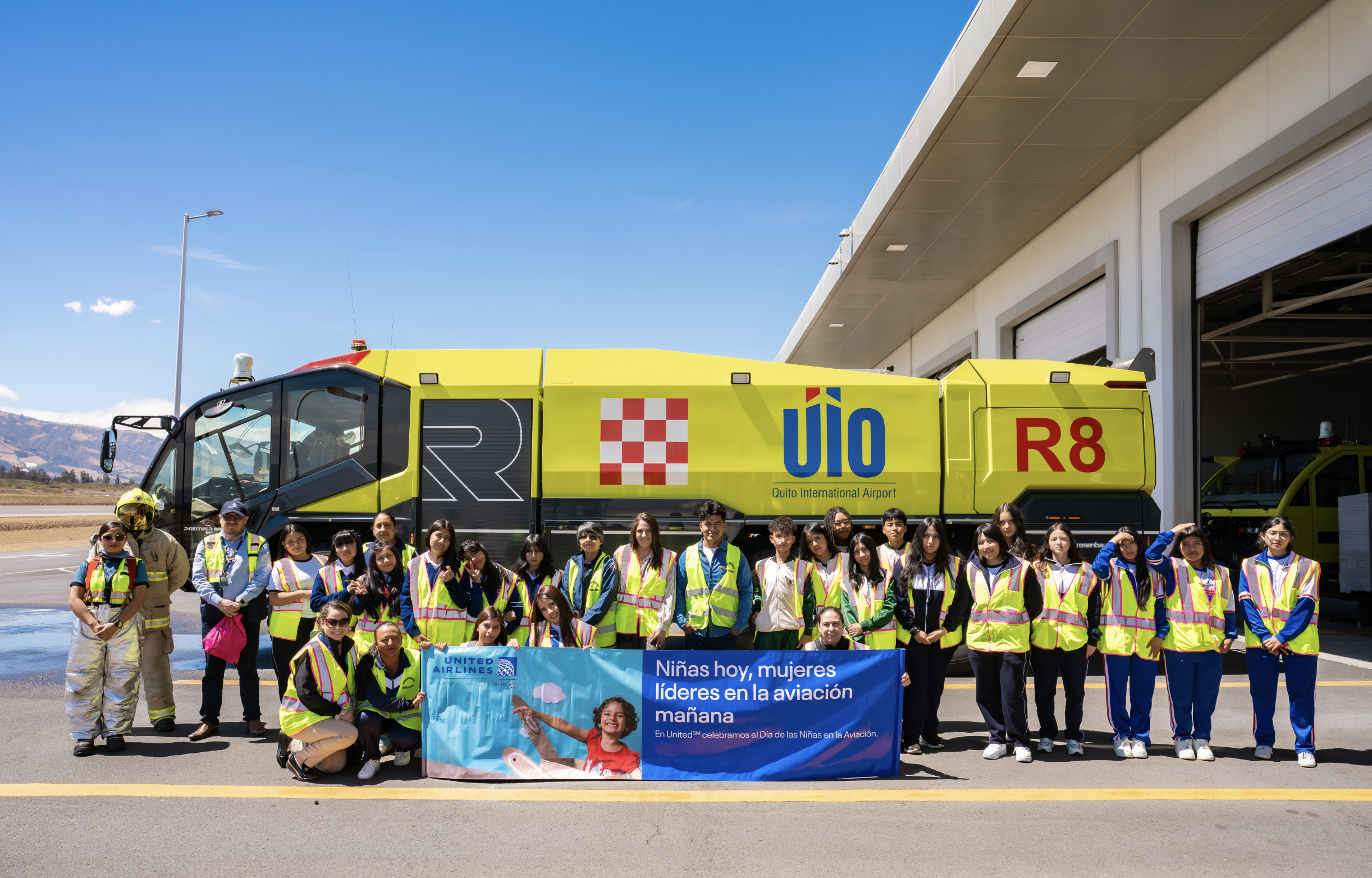
On September 17, United welcomed 20 young women (aged 13 to 18) from the local Quito community to its annual “Girls in Aviation Day” event, held at Quito’s Mariscal Sucre International Airport (UIO).
In collaboration with Corporación Quiport—the operator of the Quito airport—the event allowed participants to gain firsthand insight into aviation careers through interactive sessions with United leaders and employees. Activities covered areas such as the airport control tower, aircraft rescue and firefighting services, immigration, catering services, check-in counters, boarding gates, environmental management facilities, the VIP lounge, and various commercial operations. The event is part of United’s ongoing efforts to introduce young women to the many career paths available in aviation and to inspire the next generation of female professionals in the industry.

“Hosting Girls in Aviation Day in Quito for the fourth consecutive year is a source of great pride for United Airlines. Each year, we have the opportunity to connect with young women in our community and show them that aviation offers a world of possibilities, both in the air and on the ground. We are especially grateful for the continued support of Quiport, a key partner that has shared our vision since the inception of this initiative in Quito. We hope this experience inspires them to dream big and consider careers they might never have imagined before,” said Bettina Carvajal, United’s National Sales Manager.

“For Quiport, supporting Girls in Aviation Day is an opportunity to introduce girls and young women in our community to a world full of possibilities. We want these young women not to anchor their dreams but to discover that aviation can be a path for them, too—and that there are numerous professions and opportunities to develop their talents in this exciting field. Initiatives like this one, driven in partnership with United Airlines, allow us to inspire new generations of women and help build an aviation sector that is increasingly diverse, inclusive, and ready for the future,” stated Ramón Miró, President and CEO of Quiport.

QUIPORT, THE HIGHEST-RANKED ECUADORIAN COMPANY IN THE GREAT PLACE TO WORK® LATIN AMERICA 2026 LIST
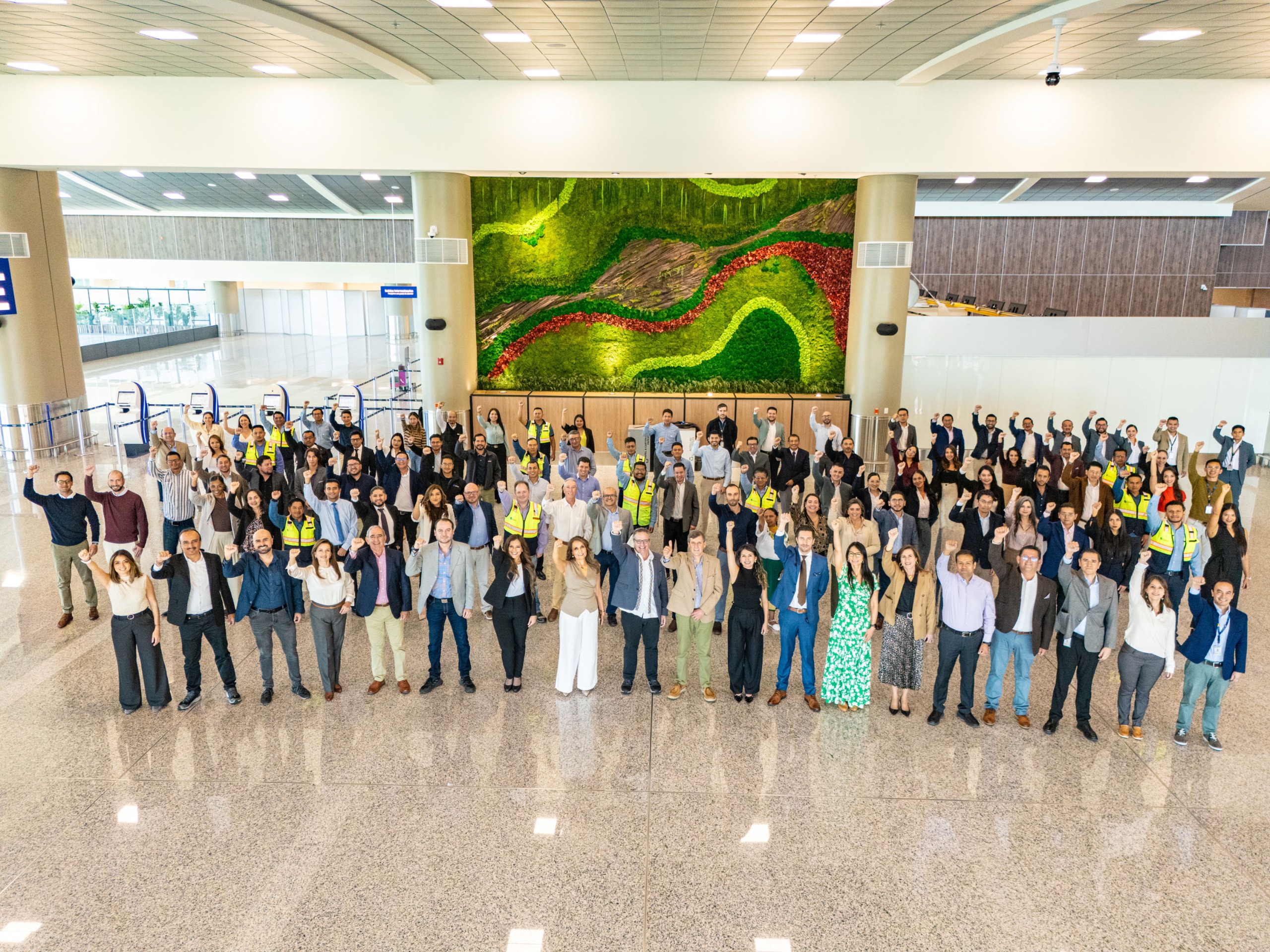
Corporación Quiport secured 17th place among the Best Places to Work™ in Latin America 2026 in the Small and Medium-sized Enterprises category, establishing itself as the highest-ranked Ecuadorian company in its category on the Great Place To Work® regional list.
This result also represents significant progress for the company, which climbed 55 spots compared to the previous edition. This evolution reflects the sustained effort Quiport has made to strengthen an organizational culture based on trust, respect, collaboration, and development opportunities for its employees.
“This recognition belongs to everyone who makes up Quiport. It fills us with pride because it reflects how we work, how we look after one another, and how we live out our purpose: ‘We do it right because we value life.’ Reaching this position motivates us to continue building—together—a place where people can grow, contribute, and feel part of something important,” said Ramón Miró, President and CEO of Corporación Quiport.
For the company, the employee experience is a fundamental element of its management. Having committed teams aligned with a common purpose contributes to an efficient operation and helps deliver a better experience for passengers, users, and the airport community.
The Great Place To Work® ranking is based on a study of workplace programs and the collection of direct feedback from employees across thousands of organizations throughout Latin America.
The 17th-place ranking achieved in 2026 and the 55-spot climb compared to 2025 provide Quiport with fresh momentum to keep strengthening an environment where people feel valued, find opportunities for development, and can contribute to the organization’s growth. Recognition built upon the experience and commitment of the people who make Quiport what it is every day.
Quiport Shared Its Water Management Best Practices at the Waterkeeper Alliance Global Conference

Gabriela Landázuri, Environment, Health, and Safety Manager at Corporación Quiport, participated in the Waterkeeper Alliance 2026 Global Conference in Ecuador, held in Quito. There, she presented Quiport’s experience and best practices regarding responsible water management at the Quito airport.
During the session titled “Water Responsibility Models: Quito Airport by Quiport”—part of the international gathering’s agenda—Gabriela explained the “Beyond Water” approach. This strategy integrates consumption efficiency, water footprint replenishment, wastewater treatment, water reuse, environmental monitoring, water source conservation, and climate adaptation.
Reflecting on her participation in the conference, Gabriela Landázuri stated: “Being invited to share our experience at a global gathering like this is a recognition of the work Quiport has carried out over the years. We are proud that the management of the Quito airport can serve as a benchmark for best practices while allowing us to learn from organizations dedicated to protecting the environment and ecosystems across the globe.”
The conference was organized by the Waterkeeper Alliance, an international network dedicated to protecting rivers, lakes, and other water sources. The event brings together representatives from Waterkeeper organizations worldwide to exchange knowledge, experiences, and solutions for water protection. Quito hosted the 2026 global conference, with Guayllabamba Waterkeeper serving as the local host organization. The agenda also covered topics such as environmental education, the rights of nature, water source protection, citizen science, governance and river regeneration, pollution monitoring, and community engagement.
Quiport’s participation provided an opportunity to share how water management at the airport has evolved into a holistic vision that links airport operations with ecosystem conservation and water security.
Quito Airport among top 12 worldwide with highest passenger experience accreditation
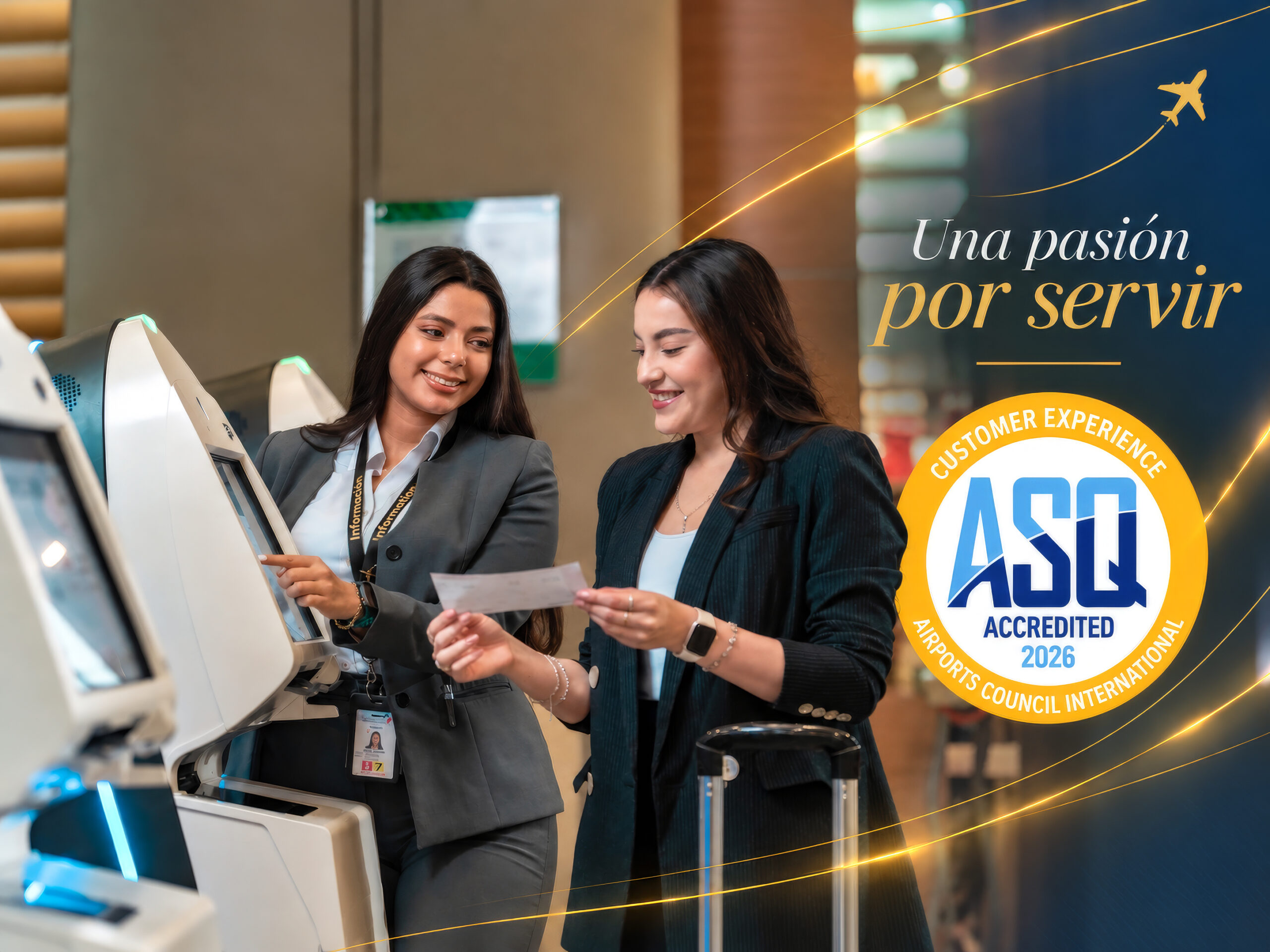
- Mariscal Sucre has renewed its Level 5 Passenger Experience Accreditation from Airports Council International (ACI) for the third time. Only 12 airports globally—and two in the Americas—currently hold this level.
Quito’s Mariscal Sucre International Airport has renewed its Level 5 status under the Airports Council International (ACI) Passenger Experience Accreditation Program for the third time. This represents the highest tier of the international program, which specializes in evaluating how airports manage the passenger experience.
With this renewal, Quito Airport remains part of an elite group of just 12 airports worldwide holding Level 5 accreditation. In the Americas, only two airports have achieved this status.
The accreditation evaluates far more than just traveler satisfaction. ACI analyzes whether the passenger experience is integrated into the airport’s strategy and operations, how data is used for decision-making, innovation capabilities, service culture, and the coordination among the various organizations involved in the passenger journey.
In this model, the employee experience is closely linked to the passenger experience. Quiport also focuses on understanding and managing the experience of its teams, operating on the premise that committed employees and a service-oriented internal culture are essential to delivering a superior experience to airport users.
“This third renewal confirms that the passenger experience is not an isolated initiative, but a permanent way of managing the airport. The work begins internally—with committed employees and a service-oriented culture—and extends outward to our passengers. It is also the result of coordination among all members of the airport community,” stated Ramón Miró, President and CEO of Corporación Quiport.
What does achieving Level 5 mean? ACI’s Airport Customer Experience Accreditation program is the first and only global accreditation specifically focused on evaluating customer experience management at airports.
To achieve the highest level, an airport must demonstrate that the passenger experience is integrated across its organizational strategy and culture, and that a permanent system is in place to listen to passengers, measure results, identify opportunities, and transform that information into concrete improvements.
The assessment covers, among other aspects, passenger insights, experience strategy, measurement systems, operational improvement, governance, organizational culture, innovation, and collaboration with the airport community.
In the case of Quito Airport, ACI also noted the presence of clearly defined leadership and responsibilities, the use of quantitative and qualitative data to understand diverse passenger profiles, and the active participation of companies and entities involved in the airport experience.
Listening to passengers to improve their experience
Quiport uses various tools to understand travelers’ perceptions, expectations, and needs. The information gathered helps guide decisions regarding processes, infrastructure, services, accessibility, communication, and customer care.
This model also includes staff training and coordination with airlines, authorities, concessionaires, and other members of the airport community, aiming to provide a consistent experience during departure, arrival, and connection processes.
The third consecutive renewal of Level 5 demonstrates the continuity of this management model and Quito Airport’s commitment to the ongoing evolution of its service standards.
FYBECA OPENS THE FIRST PHARMACY INSIDE AN INTERNATIONAL DEPARTURE HALL IN ECUADOR

The new Fybeca Isla Aeropuerto is located in departure lounge A13 at Mariscal Sucre International Airport, across from Starbucks.
The space occupies 15 square meters and offers over 740 products selected to meet travelers’ needs.
The pharmacy will operate 24 hours a day, offering medications, personal care items, functional beverages, and travel essentials.
A headache before boarding, an unexpected stomach upset, or that personal care product you forgot at home. Unexpected events can travel, and once passengers have cleared airport security, returning home is no longer an option. To address these last-minute needs, Fybeca has opened the first pharmacy located inside an international departure lounge in Ecuador.
Fybeca Isla Aeropuerto will operate 24 hours a day in departure lounge A13 at Mariscal Sucre International Airport, across from Starbucks. The store occupies 15 square meters, making it the smallest pharmacy in the chain, but it offers a portfolio of more than 740 products tailored to the airport environment.
The selection includes medications for flu, pain and stomach ailments, supplements, beauty and personal care items, functional and isotonic drinks, healthy snacks, and natural relaxation alternatives. The format aims to provide a quick response to international passengers without them having to leave the departure lounge.

“This opening reflects our strategy of always being first and best, under an umbrella of innovation and the development of formats adapted to new consumption habits. Fybeca Isla Aeropuerto will allow us to closely understand the needs of travelers, evaluate the model’s performance, and analyze its expansion to other airports in the country,” stated Arturo Martínez, CEO of FEMSA Salud Ecuador.
The idea for this space originated in late 2014 and progressed through a joint effort between FEMSA Salud Ecuador and Corporación Quiport. Its development required adapting the design, technology, schedules, and product portfolio to the conditions of an airport terminal. Much of the infrastructure arrived prefabricated to facilitate its installation within the airport, meeting the highest quality standards.
“We are delighted to have the new Fybeca pharmacy in the international pre-boarding area of Quito Airport, as it represents a significant improvement to our passengers’ experience. Its presence allows for convenient and timely access to medications, personal care products, and essential items before traveling, strengthening the airport’s commercial and service offerings. This new option responds to the needs of our passengers and consolidates the airport as a modern, practical space focused on providing a comprehensive experience. Thank you to everyone at Fybeca for being such great partners of Quiport and Mariscal Sucre Airport,” said Ramón Miró, President and CEO of Quiport.
The design combines Fybeca’s visual identity with colors and materials that complement the airport’s aesthetic. The island also features Ecuadorian products under the slogan “Take a piece of Ecuador home with you,” aiming to increase its visibility among passengers.
This opening represents the first step in a model that could be implemented in other waiting areas and cities. The concept combines pharmacy, personal care, and essential travel products in a service point designed to address immediate needs.
Quito Hosted the ACI-LAC Operational Safety Committee Annual Meeting and its First Airport Safety Workshop
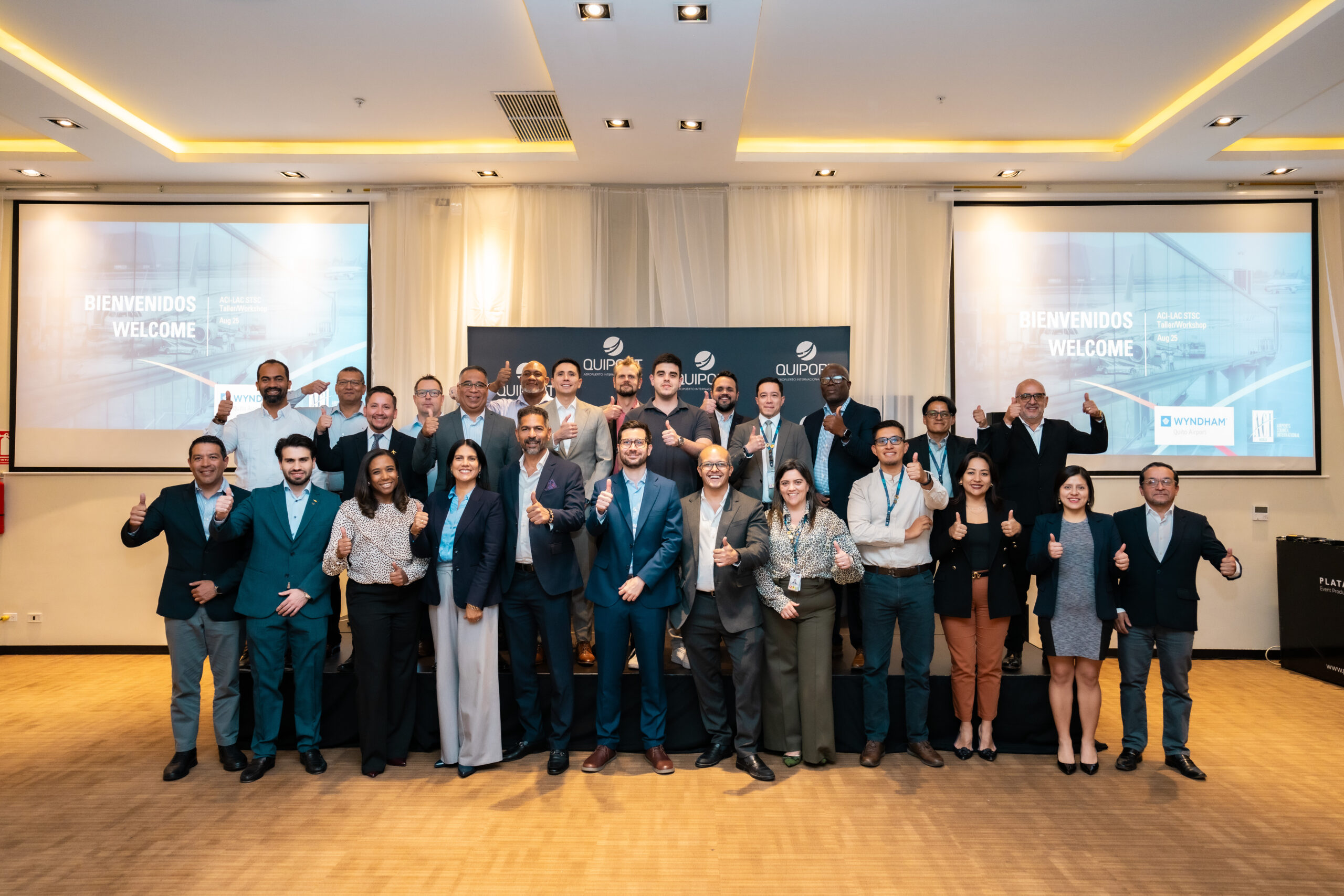
From August 25 to 27, Quito’s Mariscal Sucre International Airport hosted the 2026 ACI-LAC Operational Safety Committee Annual Meeting, a technical exchange forum that brought together specialists and representatives from the airport sector to share knowledge, experiences, and best practices in operational safety.
This edition was attended by 28 representatives from 11 countries, linked to more than 50 airports in the region. Leading the event was David Almeida, Quiport’s Operational Safety Manager and President of the ACI-LAC Operational Safety Committee. The presence of specialists from different countries and airports enriched the exchange of experiences and best practices regarding the main challenges of operational safety.
The agenda also included the first Airport Safety Workshop organized by the Committee, an initiative driven by its own members to broaden the exchange of knowledge and experiences on the main operational safety challenges facing the airport industry.
“Operational safety knows no borders or individual airports; it is a collective responsibility that requires cooperation, knowledge, and a culture of continuous improvement,” said Ramón Miró, President and CEO of Corporación Quiport, during his welcoming remarks to the participants.
Throughout the sessions, topics such as the evolution of Safety Management Systems (SMS) towards data-driven management, safety during construction work, runway risk management, and incursion prevention were addressed.
The event agenda also included aircraft recovery preparedness, the analysis of anti-drone solutions for airports, and the review of new guidelines and deliverables from the Operational Safety Committee.
The ACI-LAC Operational Safety Committee holds this meeting annually, and as part of this new phase of technical exchange, future editions of the workshop are planned to take place at different member airports, strengthening the direct exchange of experiences and best practices among its members.
Hosting the 2026 ACI-LAC Operational Safety Committee Annual Meeting and the first edition of its Airport Safety Workshop strengthens Quito Airport’s participation in international technical cooperation forums and contributes to the development of joint solutions to current and future operational safety challenges.